Feelings and Emotions are Important
I often hear statements like the following when I discuss feelings and emotions with my Asian American male clients. Take a look and reflect if these are sentiments you've thought or said out loud to others regarding feelings and emotions.
"Why does it even matter?"
"What's the point of talking about it?"
"This is a waste of time."
"It's uncomfortable to talk about it."
"I don't know how to talk about it."
"Only women cry about this kind of stuff."
"I've never talk about this before with anyone."
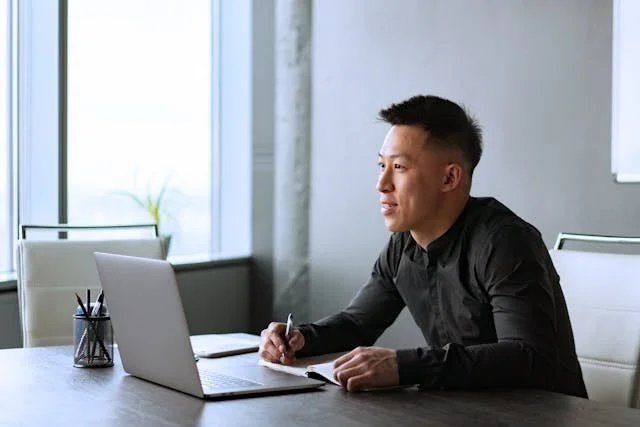
If you resonate with any, you are definitely not alone. In fact, almost every single one of my Asian American male clients have said this to me in session. I began to put two and two together. Here are my thoughts and opinions.
As Asian Americans who grew up in the states, it's a common experience to have parents who immigrated or even sought asylum or refuge in this country. This experience can come with a lot of heartache. If I may lay it out from experiences that I’ve heard prior, we are talking about 1) our parents (primary caregivers) leaving their family members and loved ones behind, 2) their experiences of war or fall of a government, 3) economic hardship facing poverty, and/or 4) being taught that living the 'American Dream' was the only source of hope. There’s probably more that I have not accounted for.
When humans experience hardship or even trauma, we can, as a coping mechanism shut out our feelings all in the name of survival. It's a protective feature of our brain that can become a very real way of living and engaging with those around us. I can also argue that when one goes through multiple unhelpful life experiences, most often those individuals are told to 'rough it', 'push through at all cost', or even think that 'there is no time to feel, you just gotta keep moving'. As a result, the interactions we have with our parents replicate their way of survival thus facing challenges such as invalidation and lack of emotional security.
This is a source of frustration that I've seen in many of my male, Asian American clients. It's deeply rooted. Suppressed for years. And I find it to be spilling out of my clients because all of those feelings and emotions bottled up inside has nowhere else to go but out. Behaviors or emotions such as screaming and using loud words, getting physical, and feelings of anger and extreme rage are very common, yet one of the few feelings that my male clients are able to express. No sadness, no grief, and certainly no insecurity.
I think the primary feeling of anger is common because it's socially accepted for men. Cultural expectations such as gender norms where men are not allowed to be sad, disappointed, embarrassed, etc.. This is seen as unacceptable. But anger, go right ahead. Since the expectations for women are that they can express their feelings and feel their emotions, there is a connotation that for men who do try to feel or express their feelings, they are seen as 'less than', 'not manly enough', and/or 'weak'.
I have worked with my Asian American male clients in Oregon and California to change this narrative from within. By exploring deep hurts, processing childhood woundings, providing a safe space to feel validated, and then re-aligning them to their truest feelings with their actions has actually had a positive effect on them and their relationships.
In sessions, I focus on creating a safe space for my male clients to gently 'beat around the bush'. We address things that they've heard about regarding feelings and emotions, subliminal messages, and meanings that they've made from their interactions with their parents. Eventually, we get to a place where I sit and guide with my clients to become more comfortable with the uncomfortable emotions that their body exhibits. I educate clients on strategies to make that process a little less daunting while focusing on empowerment. Then I guide and practice with my clients to utilize assertive, yet respectful ways of interacting to get their needs and wants met, as well as feeling confident to choose their responses, rather than to be at the mercy of their emotions.
It's not easy. It does take a while for some to develop these skills. But the end result, most often, lead to my clients feeling confident to share their emotions and feelings regardless of judgment, feeling confident in themselves, having healthier and more positive connections in their partnerships, and more satisfaction with their overall life because they can act according to their values.
Asian American Male Therapist in Los Angeles, California and Portland, Oregon

If you find that the source of your relationship challenges are related to unhelpful feelings and emotions, you are not alone. Let’s discuss how we can work together to explore, unpack, and learn fundamental skills to improve your overall life satisfaction.
Schedule a consultation by filling out a form today.